Small cockroaches in the kitchen
Repeated sightings around appliances, cupboard hinges or the sink can point to nearby breeding activity. Treatment should target these hiding places.
Cockroach problems at home or work? Get a free quote for treatment suited to your Sydney property.
A recurring kitchen infestation needs a different approach from cockroaches coming in from outdoors. Choose the situation closest to yours.
Repeated sightings around appliances, cupboard hinges or the sink can point to nearby breeding activity. Treatment should target these hiding places.
Door gaps, drains, damp areas and outdoor shelter can all be relevant. Inspection helps connect sightings with likely entry routes.
In shared buildings and businesses, access and neighbouring activity can affect results. A coordinated plan helps address the whole affected area.
Tell us what you’re seeing. Start with a free, no-obligation quote.
These common types have different habits. Use the features below as a starting point, and photograph the insect if you can do so without disturbing the area.
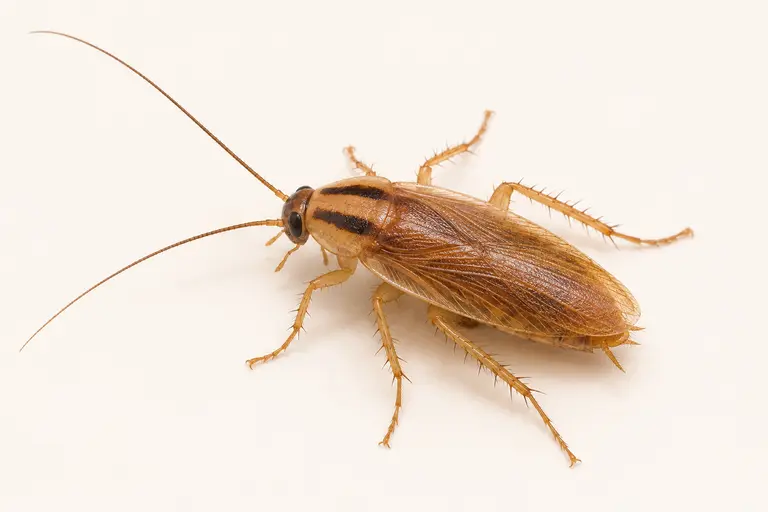
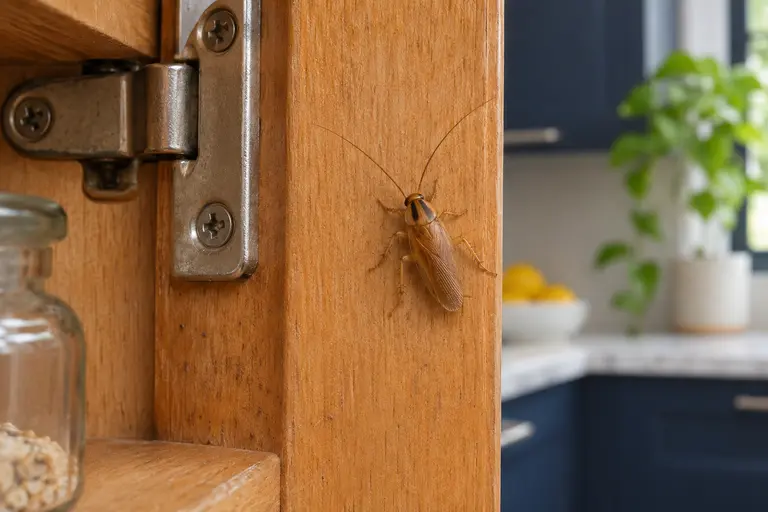
Light brown with two dark stripes behind the head. Often found near warm kitchen appliances, cupboards and moisture.
What to note: Repeated small cockroaches around the dishwasher, fridge or sink.
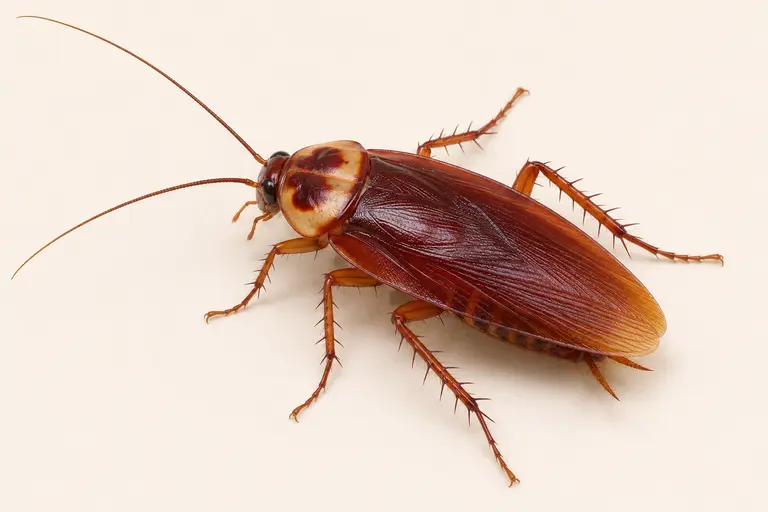
A large, reddish-brown body with a pale margin behind the head. Associated with sheltered, damp areas and services.
What to note: Activity around drains, subfloors, garages or service spaces.
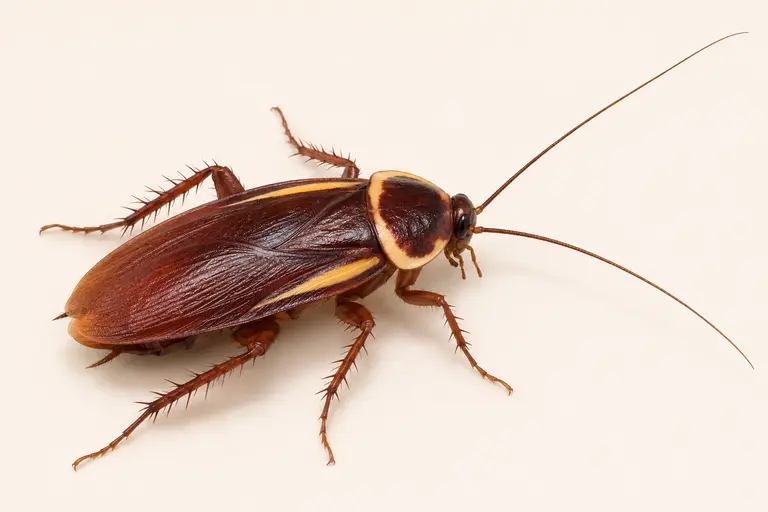
Brown with pale yellow markings near the head and along the front wing edges. Commonly associated with outdoor shelter.
What to note: Cockroaches appearing near gardens, external doors or perimeter gaps.
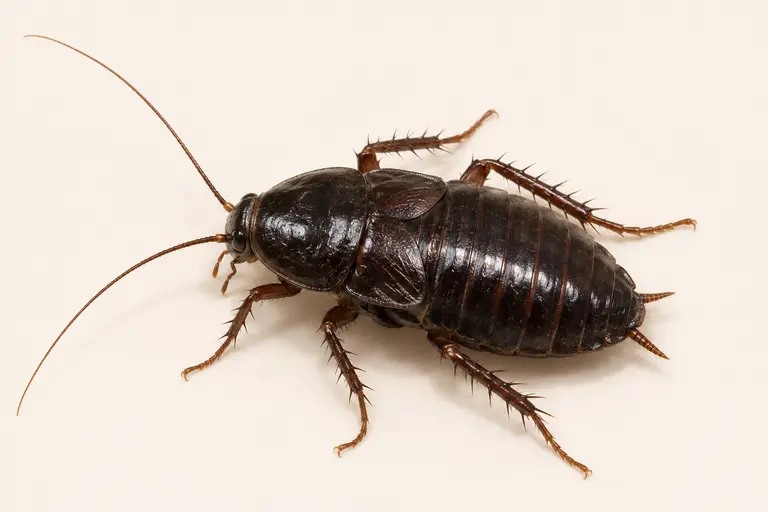
Dark brown to almost black, with a broad body. Usually associated with cooler, damp shelter; females have reduced wings.
What to note: Activity in damp ground-level spaces or around subfloor areas.
You don’t need to identify it before enquiring. Tell us where you’re seeing activity and get help with the next step.
These three checks help you describe the problem clearly. Note what you find; a technician can assess what it means for your property.
Recurring small kitchen cockroaches can tell a different story from one larger insect by an outside door.
Droppings, egg cases and shed skins can help locate activity when no live cockroach is visible.
Warm hidden spaces can support activity even in a well-maintained kitchen.
Check accessible areas only. Don’t move heavy equipment, dismantle appliances or reach into service spaces. Leave those areas to the technician.
Get a free quote and discuss what you’re seeing with our Sydney team.
Have ready: your suburb, affected rooms, photos if available and any products already used.
When small cockroaches repeatedly appear inside the kitchen, the visible insects may be only part of the problem. Warm, sheltered spaces around appliances and cabinetry can make activity difficult to assess from the kitchen bench alone.
A useful inspection looks at cupboard hinges, accessible gaps, the areas around appliances and nearby water sources. It also considers what has already been tried, because previous sprays and cleaning routines can affect where treatment should be placed.
Targeted gel baits and, where appropriate, insect growth regulators can form part of a wider plan. The aim is to address hidden activity and the breeding cycle, supported by monitoring and practical changes around the property. The method and follow-up should be explained before you book.
Read our German cockroach apartment guide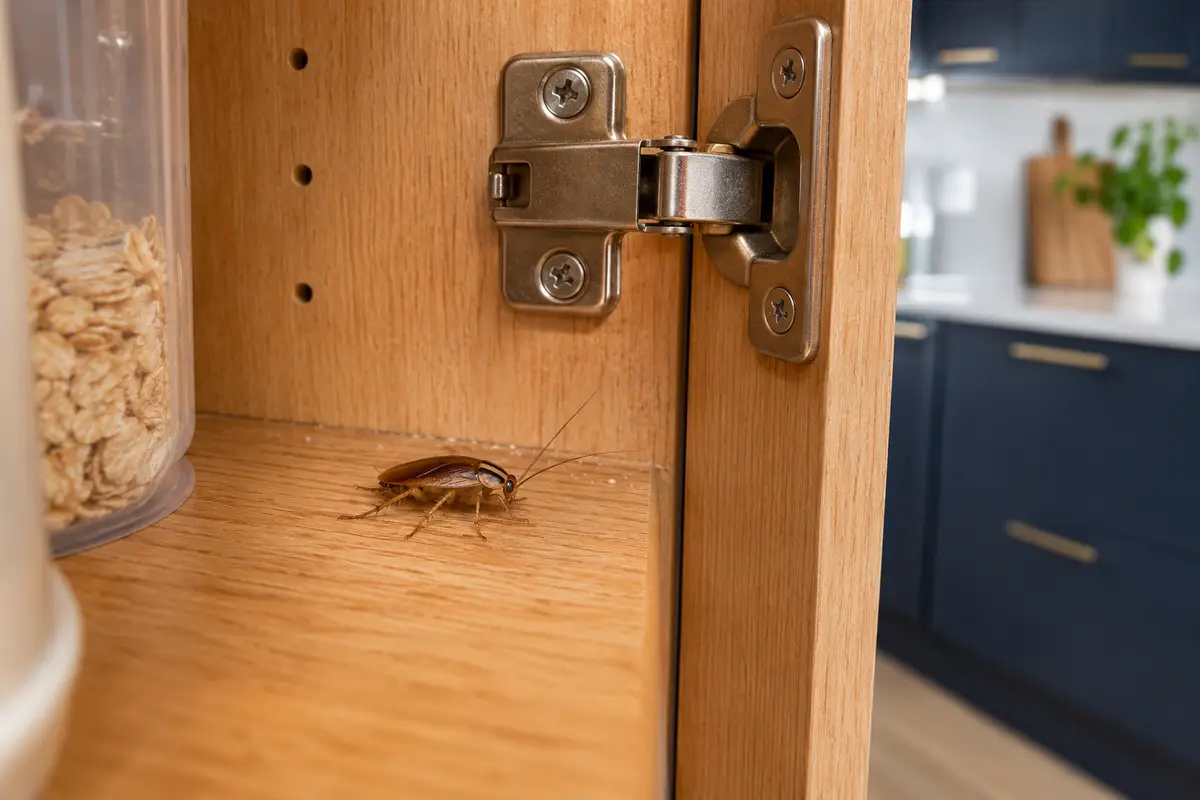
Different products do different jobs. The appropriate combination depends on the species, where it is hiding and the surfaces or spaces involved.
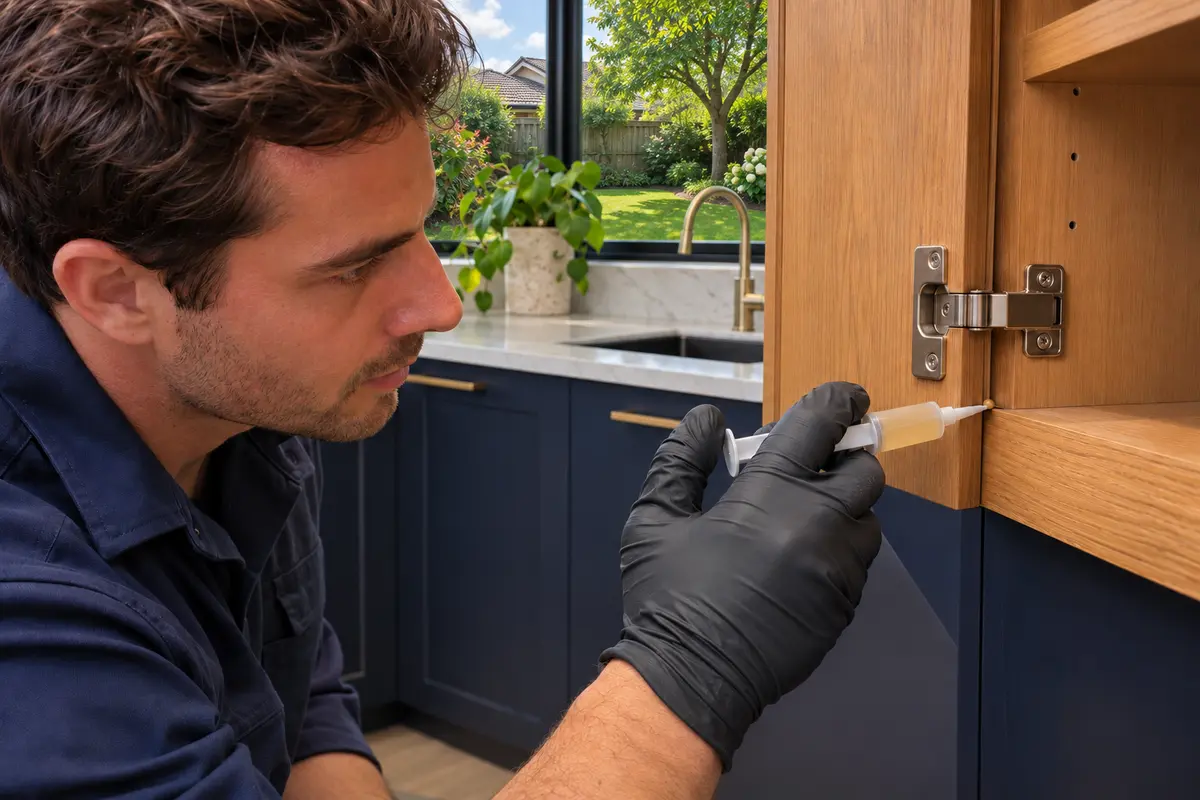
Small placements target feeding and hiding areas around cabinetry and appliances. The technician chooses locations based on activity, competing food and access.
Where appropriate, growth regulators help address development and reproduction. They form part of a plan for breeding activity, with monitoring to assess progress.
Crack-and-crevice treatments, entry-point checks and monitoring are matched to the site. Kitchen infestations and occasional outdoor entry need different treatment scopes.
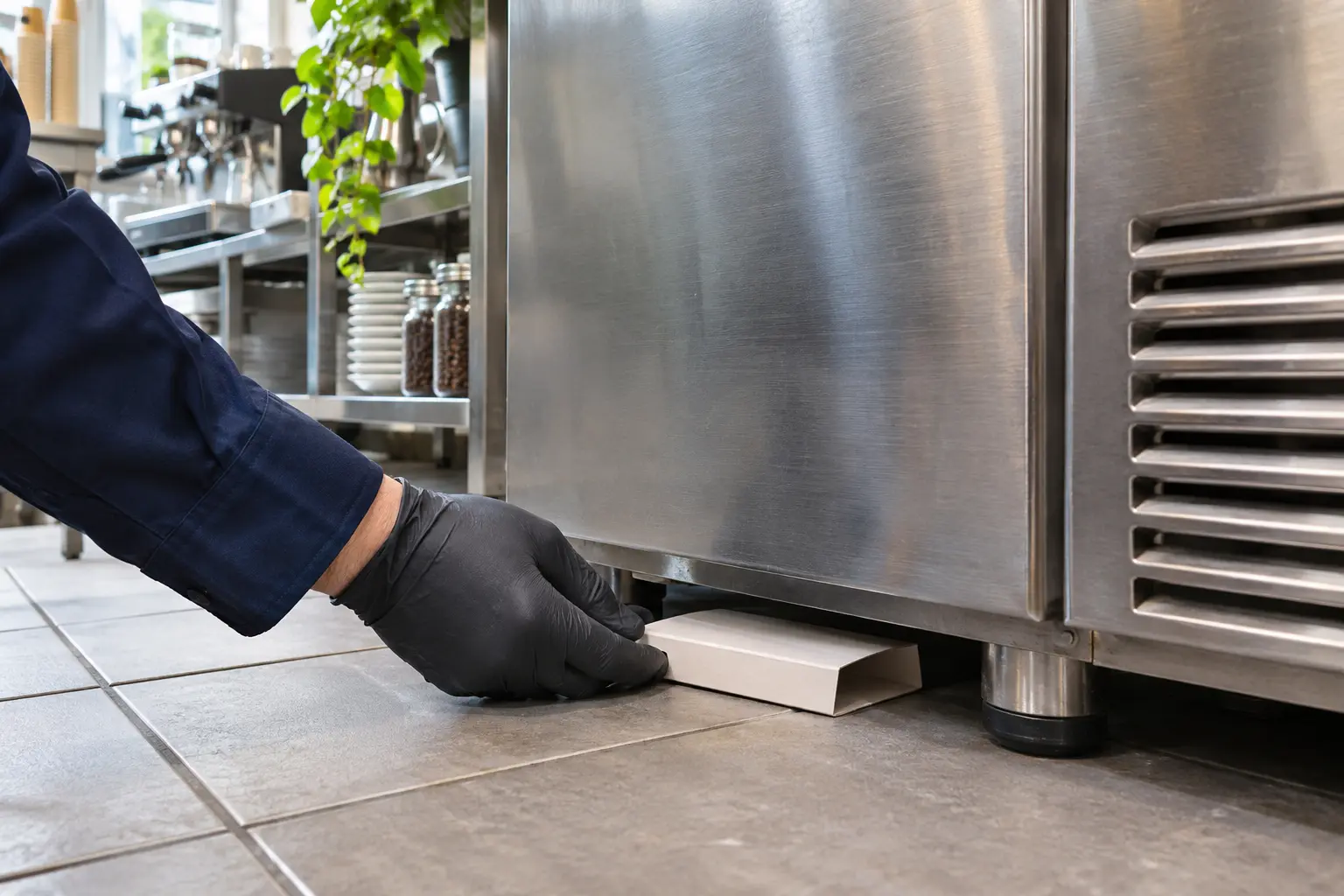
Identify the cockroach type where possible, check the affected areas and look for harbourage, moisture and access routes. Your notes and photographs can help focus the inspection.
Discuss which areas need attention and why. Depending on the findings, options may include targeted gel baiting, suitable crack-and-crevice applications, monitoring or treatment of relevant external areas.
Confirm preparation and access needs before the service. Tell the technician about children, pets, aquariums, food preparation and any particular concerns so the instructions suit the property.
Understand what activity may continue while treatment takes effect, when a return visit is recommended and which cleaning or proofing tasks will support the plan.
A useful quote tells you what the service covers. Species, property size, activity levels and return visits can all affect the work involved.
The focus may be relevant internal areas, external shelter and likely entry routes. Explain where and how often you are seeing them, rather than requesting a general spray without discussing the activity.
Recurring kitchen activity may require more detailed inspection and targeted placements around harbourage. Ask whether monitoring and follow-up visits are included or quoted separately.
Access, operating hours and the number of affected areas can change the plan. Shared services and food-handling areas should be considered when setting the service scope.
Before you book: confirm the areas covered, preparation requirements, follow-up arrangements and applicable service terms. Your quote should describe the treatment your property needs.
Our residential pest control services consider kitchen activity alongside external shelter and access points. In an apartment, it can also be useful to understand whether sightings occur near shared walls, service penetrations or common areas.
Our commercial pest control services are planned around the way a site operates. Food storage, waste handling, deliveries and equipment access may all be relevant. For strata properties, coordinating affected units and common areas can help avoid gaps in the response.
Preparation and aftercare are part of the service. Get instructions specific to your property and the products being used.
Describe the activity and any products already used. Our first-visit guide explains the inspection and safety briefing. Ask which cupboards or appliance areas need to be accessible. Secure food and arrange pets as instructed; you do not need to empty every cupboard unless your technician asks you to.
Follow access and re-entry instructions. Read about targeted treatments, proofing and pet-related precautions before discussing your household’s needs. Avoid disturbing baits or cleaning treated areas until advised. Keep a short record of sightings by room and date so any ongoing activity can be discussed with useful detail.
Contact the team at the recommended review point rather than adding another product without advice. The response may involve checking placements, reviewing access or food sources, and arranging the follow-up outlined in your plan. For longer-term planning, explore our Sydney pest control frequency guide; an active cockroach infestation needs its own review plan.
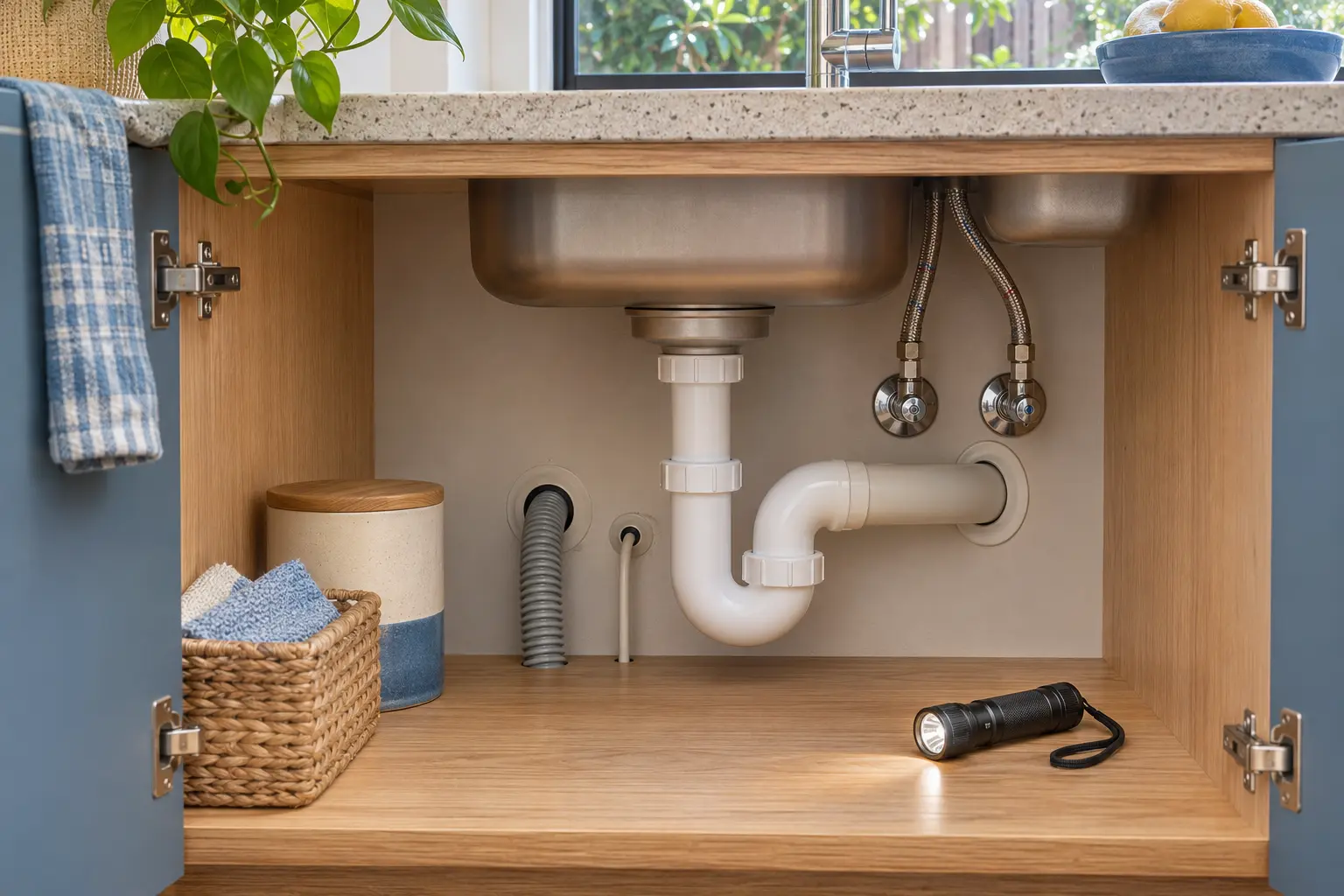
Treatment and prevention work together. Focus on the places cockroaches can access food, water and shelter, rather than only the surfaces where you happen to see them.
Clean accessible crumbs and grease around cooking and appliance areas. Seal stored food, manage pet feeding areas and keep bins closed. Check overlooked edges and cupboard corners as part of your usual cleaning routine.
Address leaking taps and pipes and investigate dampness under sinks or in service spaces. Wiping a bench will not resolve a persistent water source hidden beneath it.
Check accessible gaps around doors and service penetrations. Reduce unnecessary clutter and cardboard near affected areas. Ask about suitable proofing without obstructing ventilation, drainage or required service access.
Pay attention to repeated sightings and changes in location. In a shared building, tell the person coordinating treatment if activity also occurs outside your unit. Keep your technician informed rather than repeatedly switching products.
Use these related guides to explore indoor infestations and seasonal activity in more detail.
Shared walls, warm services and an overview of a targeted clear-out plan.
Read the German cockroach guide
Kitchen, laundry and drain hotspots, with treatment and prevention considerations.
Read the summer guide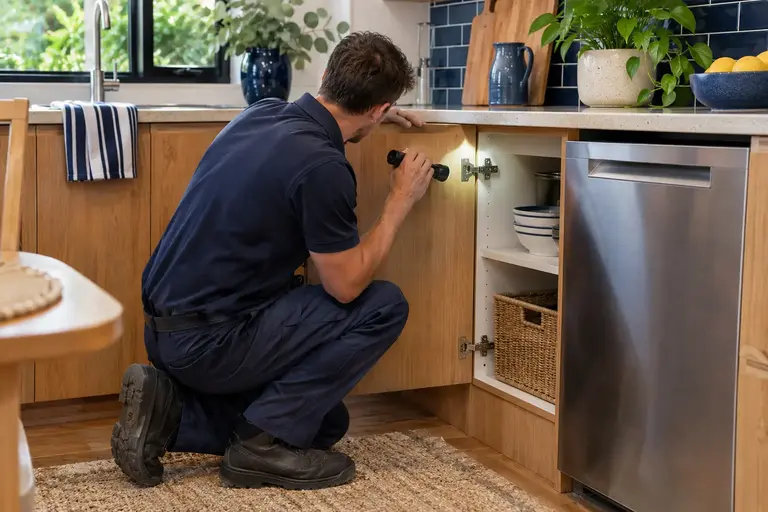
The inspection, targeted treatment, safety briefing and aftercare report.
Explore the first-visit guide
Explore the role of targeted applications, habitat changes and ongoing monitoring.
Read the treatment options guide
A broader guide to seasonal planning and pest management frequency in Sydney.
Explore pest control schedules
Review current pricing, then discuss the scope required for your property.
View treatment pricingFor other pest questions, explore the Merlin’s Pest Control Knowledge Centre.
Tell us your suburb, property type and the areas affected. That helps our team discuss availability, access and a suitable treatment scope.
We help homes, apartments and businesses across Sydney. Choose your area or use the full locations directory to find your suburb.
Understand the service, preparation and follow-up so you can choose with confidence.
Yes. Cleaning reduces food and moisture, but cockroaches can arrive in packaging or enter through gaps and shared services. Warm appliances and sheltered spaces can provide hiding places even in a well-kept property. Record where you see activity rather than assuming that more surface cleaning will resolve the problem. A useful inspection considers both the affected area and possible entry routes.
Not necessarily. An occasional large cockroach near an outside door is different from repeated sightings of small cockroaches around a dishwasher or fridge. Frequency, location, species and signs of breeding all matter. Several sizes of cockroach, egg cases, droppings or repeated activity in one area are reasons to investigate further. If possible, keep a clear photograph to help with identification.
There is no single timeframe for every property. The species, extent of activity, treatment method and access to hiding places affect the result. Some activity may continue while a treatment takes effect. Ask your technician what change to expect, what to leave undisturbed and when to report ongoing sightings. A follow-up may be needed for an established indoor infestation.
A general treatment for larger cockroaches is not automatically the right plan for small breeding cockroaches inside appliances and cupboards. German cockroach management may require inspection of harbourage, targeted bait placement, monitoring and follow-up. Let the team know if you are seeing small cockroaches repeatedly in the kitchen so the quote reflects the problem you need addressed.
Mention them before booking, along with any particular sensitivities or access needs. Preparation and re-entry advice depend on the products and treatment areas. Ask what needs to be covered, moved or kept away, and follow the technician’s instructions. Do not assume a treatment has no precautions because it uses baits or is described as low-odour.
Ask for the preparation instructions for your service. Clear access and remove accessible food residue where advised, but avoid adding other insecticides around intended bait locations without checking first. Tell the technician which products you have already used and where. After treatment, do not wash away placements or clean treated areas until the aftercare instructions allow it.
Tell us whether activity is confined to your unit or is also occurring in common areas or neighbouring properties. Shared service penetrations and adjoining rooms can affect the plan. A tenant can check arrangements with their property manager, while an owner or strata manager can coordinate access where common property is involved. Responsibility and access should be clarified before booking.
Ask which areas will be inspected and treated, what preparation is needed, and whether monitoring or return visits are included. Property size, species and the extent of the problem can change the scope. Confirm any exclusions, service terms and charges before proceeding. Our pest control pricing and inclusions page gives an overview; an enquiry helps match the service to your particular property.
Tell our Sydney team what you’re seeing. Start with a free, no-obligation quote.